- Free Confidential Consultation: (404) 816-5000 Tap Here To Call Us


Hospice Providers Under DOJ Scrutiny: A Guide to Avoiding Medicare Fraud Investigations


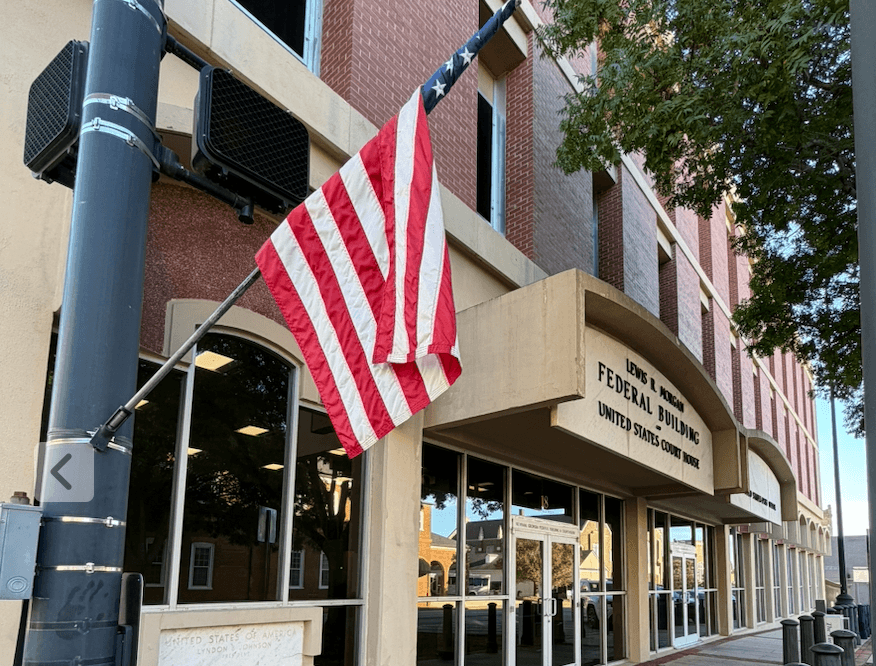
Hospice providers face increasing federal scrutiny as the Department of Justice (DOJ), Centers for Medicare & Medicaid Services (CMS), and Department of Health and Human Services Office of Inspector General (HHS-OIG) intensify efforts to identify Medicare fraud, improper billing, and unlawful referral arrangements.
For hospice owners, administrators, medical directors, and healthcare professionals, the consequences of a federal healthcare fraud investigation can be devastating. Even providers acting in good faith may find themselves defending complex medical necessity determinations, documentation practices, and business relationships against allegations of fraud.
Understanding the government’s enforcement priorities—and addressing potential vulnerabilities before investigators come knocking—is increasingly important.
Why Are Hospice Providers Being Targeted for Medicare Fraud Investigations?
Hospice care occupies a particularly sensitive area of the Medicare program. Providers receive reimbursement for caring for terminally ill patients, generally those whose medical prognosis is six months or less if their illness runs its normal course.
Unlike traditional fee-for-service arrangements, Medicare generally reimburses hospice providers through daily payments based on a patient’s level of care. This reimbursement structure has attracted government attention because improper patient enrollment, insufficient documentation, and fraudulent certifications can generate substantial Medicare payments.
In May 2026, CMS announced a nationwide six-month moratorium on new Medicare enrollment for hospice providers and home health agencies as part of an expanded fraud prevention initiative. CMS also identified Georgia among states receiving heightened oversight of newly enrolled hospice providers.
The government’s concerns include:
- Enrolling patients who do not meet Medicare’s terminal illness requirements.
- Billing Medicare for services that were not provided or properly documented.
- Paying unlawful kickbacks to physicians, marketers, or referral sources.
- Falsifying or improperly completing physician certifications.
- Maintaining patients on hospice without adequate clinical support for continued eligibility.
- Using questionable marketing or patient recruitment practices.
These issues may lead to administrative audits, Medicare payment suspensions, civil False Claims Act investigations, or criminal prosecutions.
Importantly, a Medicare billing error is not automatically healthcare fraud. The distinction between a good-faith mistake, a disputed medical judgment, and a knowingly false claim can be critical to a provider’s defense.
1. Ensure Every Hospice Admission Is Supported by Medical Necessity
One of the most significant areas of federal hospice fraud enforcement involves whether patients were medically eligible for hospice services.
Medicare generally requires certification that a patient has a life expectancy of six months or less if the terminal illness runs its normal course.
However, predicting life expectancy is inherently difficult. A patient who survives longer than six months is not automatically ineligible for hospice care, and an extended length of stay does not independently establish fraud.
Hospice providers should nevertheless ensure that each admission is supported by individualized clinical evidence.
Recommended practices include:
- Document the patient’s diagnosis, functional limitations, symptoms, and relevant clinical findings.
- Ensure physician certifications contain patient-specific medical reasoning rather than generic or copied language.
- Establish procedures for reviewing patients with extended hospice stays.
- Maintain records of clinical changes supporting continued hospice eligibility.
- Confirm that required recertifications and face-to-face encounters occur within applicable Medicare deadlines.
A medical record should tell the patient’s clinical story. Boilerplate statements that merely repeat the terminal illness requirement may be insufficient when Medicare contractors or federal investigators review eligibility.
2. Pay Particular Attention to Physician Certifications and Recertifications
Physician certifications are central to Medicare hospice eligibility and frequently become important evidence in healthcare fraud investigations.
Federal regulations establish specific certification and recertification requirements, including documentation of the clinical findings supporting a terminal prognosis.
Beginning with the third hospice benefit period, and for subsequent recertifications, a qualifying hospice physician or nurse practitioner must conduct the required face-to-face encounter.
Hospice providers should carefully evaluate whether their certification procedures satisfy Medicare requirements.
Potential warning signs include:
- Certifications signed without adequate clinical review.
- Identical narratives appearing across multiple patient records.
- Missing or late face-to-face encounters.
- Incomplete physician signatures or dates.
- Recertifications that do not adequately address the patient’s current condition.
Medical directors should exercise independent clinical judgment rather than simply approving certifications prepared by administrative personnel.
The strongest protection against a medical necessity allegation is a contemporaneous medical record demonstrating the clinical basis for the physician’s judgment.
3. Examine Relationships with Referral Sources and Marketing Companies
Hospice providers must also understand the federal Anti-Kickback Statute (AKS), which generally prohibits knowingly and willfully offering, paying, soliciting, or receiving remuneration to induce or reward referrals involving federally reimbursable healthcare services.
Referral arrangements involving physicians, nursing facilities, assisted living facilities, marketers, and patient recruiters can create significant exposure.
For example, a hospice provider may face scrutiny if it:
- Pays marketers based on the number of Medicare patients referred.
- Provides financial incentives to physicians in exchange for hospice admissions.
- Offers improper benefits to nursing facilities to secure patient referrals.
- Uses consulting agreements to disguise payments for referrals.
- Compensates medical directors based on their ability to generate hospice business.
Not every financial relationship with a referral source is unlawful. Legitimate services arrangements may be permissible when properly structured and compliant with applicable law.
However, a written agreement alone does not protect a provider if the actual purpose of the compensation is to induce referrals.
Hospice operators should have healthcare counsel review referral relationships, marketing agreements, and medical director compensation arrangements before implementation.
4. Monitor Billing Practices and Unusual Utilization Patterns
Federal investigators increasingly use Medicare claims data to identify patterns that may warrant additional scrutiny.
Hospice providers should understand how their own claims data may appear to government auditors.
Potential areas of concern include unusually long patient stays, high live-discharge rates, unexpected patterns of care-level billing, concentrated referrals, or significant changes in patient volume.
These indicators do not necessarily establish wrongdoing. Hospice populations vary considerably, and legitimate clinical or operational factors may explain unusual utilization patterns.
Nevertheless, providers should consider conducting periodic internal reviews of:
- Length-of-stay and live-discharge trends.
- Documentation supporting each billed level of care.
- General inpatient and continuous home care utilization.
- Referral sources and admission patterns.
- Services included in individualized plans of care.
- Claims involving missing documentation or potential duplicate billing.
Identifying and explaining unusual patterns before a government audit may help distinguish legitimate clinical practices from suspected fraud.
5. Maintain a Meaningful Healthcare Compliance Program
A written compliance manual that sits unused on a shelf provides limited protection.
Hospice organizations should develop compliance programs tailored to their actual operations, patient populations, and reimbursement risks.
An effective program generally includes designated compliance oversight, staff education, periodic auditing, confidential reporting procedures, and meaningful corrective action.
Hospice employees should understand how to report concerns involving questionable admissions, improper referrals, inaccurate documentation, or billing irregularities.
Management should also take reported concerns seriously and document appropriate investigative and corrective steps.
When potential overpayments or misconduct are identified, providers should promptly consult qualified healthcare counsel to evaluate repayment, disclosure, and other legal obligations.
A compliance program cannot guarantee that a provider will avoid investigation. It can, however, help identify problems early, improve patient care, and create evidence of a legitimate commitment to following federal healthcare laws.
6. Understand the Difference Between Medicare Noncompliance and Criminal Fraud
One of the most important distinctions for hospice providers is the difference between a regulatory violation and criminal healthcare fraud.
Hospice eligibility decisions often involve complicated medical judgments. Physicians may reasonably disagree about a patient’s prognosis, particularly when dealing with dementia, neurological disorders, cardiac conditions, and other serious illnesses.
An incorrect prognosis does not necessarily establish that a physician or hospice knowingly submitted a fraudulent Medicare claim.
Similarly, incomplete documentation may support a claim denial or repayment demand without necessarily proving criminal intent.
Federal criminal healthcare fraud prosecutions generally require proof of a knowing and willful scheme to defraud a healthcare benefit program or obtain money through materially false or fraudulent representations.
Civil False Claims Act liability involves different standards, including actual knowledge, deliberate ignorance, or reckless disregard of falsity.
For providers facing allegations of improper hospice billing, these distinctions can significantly affect the available defenses.
Not every Medicare overpayment is fraud, and not every disagreement over hospice eligibility is evidence of a criminal scheme.
7. Know What to Do if the DOJ or HHS-OIG Contacts Your Hospice
A hospice provider may first learn of a potential investigation through a Medicare audit, a Civil Investigative Demand, a federal grand jury subpoena, an employee interview, or contact from an HHS-OIG or FBI agent.
The organization’s initial response can have lasting consequences.
If your hospice receives a subpoena or learns that federal investigators are examining its operations:
Preserve relevant records immediately. Do not delete, alter, backdate, or recreate patient records, billing documents, emails, or internal communications. Implement appropriate preservation procedures.
Contact us. We are experienced federal healthcare fraud defense counsel who can evaluate the nature of the investigation, applicable deadlines, potential exposure, and appropriate response strategy.
Avoid conducting an informal internal investigation without legal assistac. Interviews, document collection, and internal communications should be structured carefully, particularly where potential criminal liability exists.
Do not assume that cooperating informally will resolve the matter. Communications with investigators can have legal consequences, and cooperation decisions should be made with a clear understanding of the risks.
Protect employees’ legal rights. The interests of the hospice organization, its owners, medical directors, and individual employees may differ. Separate representation may be necessary.
An early, carefully developed defense strategy may help limit unnecessary exposure and protect both the organization and the healthcare professionals involved.
Frequently Asked Questions About Hospice Medicare Fraud Investigations
Can a hospice provider be investigated even if patients were legitimately terminally ill?
Yes. Investigations may involve improper billing, referral compensation, documentation deficiencies, or other alleged violations even when patients were medically eligible for hospice services.
Is keeping a patient on hospice longer than six months considered Medicare fraud?
No. Medicare permits continued hospice eligibility when properly supported by required recertifications and the patient’s terminal prognosis. A long hospice stay alone does not establish fraud.
Can a hospice pay a marketing company for patient referrals?
Compensation arrangements must comply with federal and applicable state law. Payments intended to induce or reward federally reimbursable patient referrals can violate the Anti-Kickback Statute. Marketing agreements should be reviewed before implementation.
What happens if a hospice fails a Medicare audit?
Consequences depend on the findings and may include claim denials, repayment demands, additional reviews, or referral for investigation. An adverse audit finding does not automatically establish criminal fraud.
Can a hospice medical director be personally investigated?
Yes. Physicians and medical directors may face individual scrutiny regarding certifications, medical necessity determinations, referral arrangements, or participation in allegedly fraudulent billing practices.
Should a hospice contact an attorney before responding to a DOJ subpoena?
Yes. Federal healthcare fraud counsel can help evaluate the subpoena, preserve relevant records, identify privilege issues, and develop an appropriate response.
Federal Healthcare Fraud Defense for Hospice Providers in Georgia
The federal government’s increased focus on hospice billing and patient eligibility presents serious legal and operational challenges for hospice owners, physicians, medical directors, and administrators.
A hospice provider does not need to wait until criminal charges are filed to obtain legal advice.
Early legal involvement may be particularly important when an organization identifies questionable referral arrangements, receives a significant Medicare repayment demand, becomes aware of a whistleblower complaint, or receives a federal subpoena.
If you are a hospice owner, administrator, physician, or healthcare executive concerned about a potential DOJ investigation, contact Conaway & Strickler, P for a confidential consultation regarding a federal healthcare fraud investigation or potential Medicare compliance concern.
This article is for general informational purposes and does not constitute legal advice. Specific compliance obligations and defense strategies depend on the facts and applicable law.